Top 10 Worst Dog Breeds
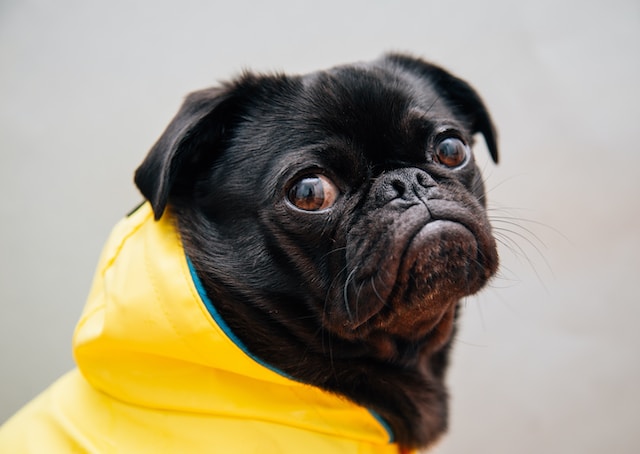
Dog breeds ranked by difficulty of ownership — aggression, health problems, stubbornness, and maintenance requirements. This isn't about "bad dogs" (no such thing) but about breeds that are genuinely challenging for average owners. Pit bulls top many lists due to bite statistics, though breed advocates argue it's owner failure, not breed temperament.
Dalmatians are beautiful but hyperactive and prone to deafness. Chow Chows are fiercely independent and aggressive toward strangers. Akitas require experienced handlers. The list helps potential owners make informed decisions — every breed has devoted fans, but not every breed suits every household. Vote based on your actual experience owning or working with these breeds.
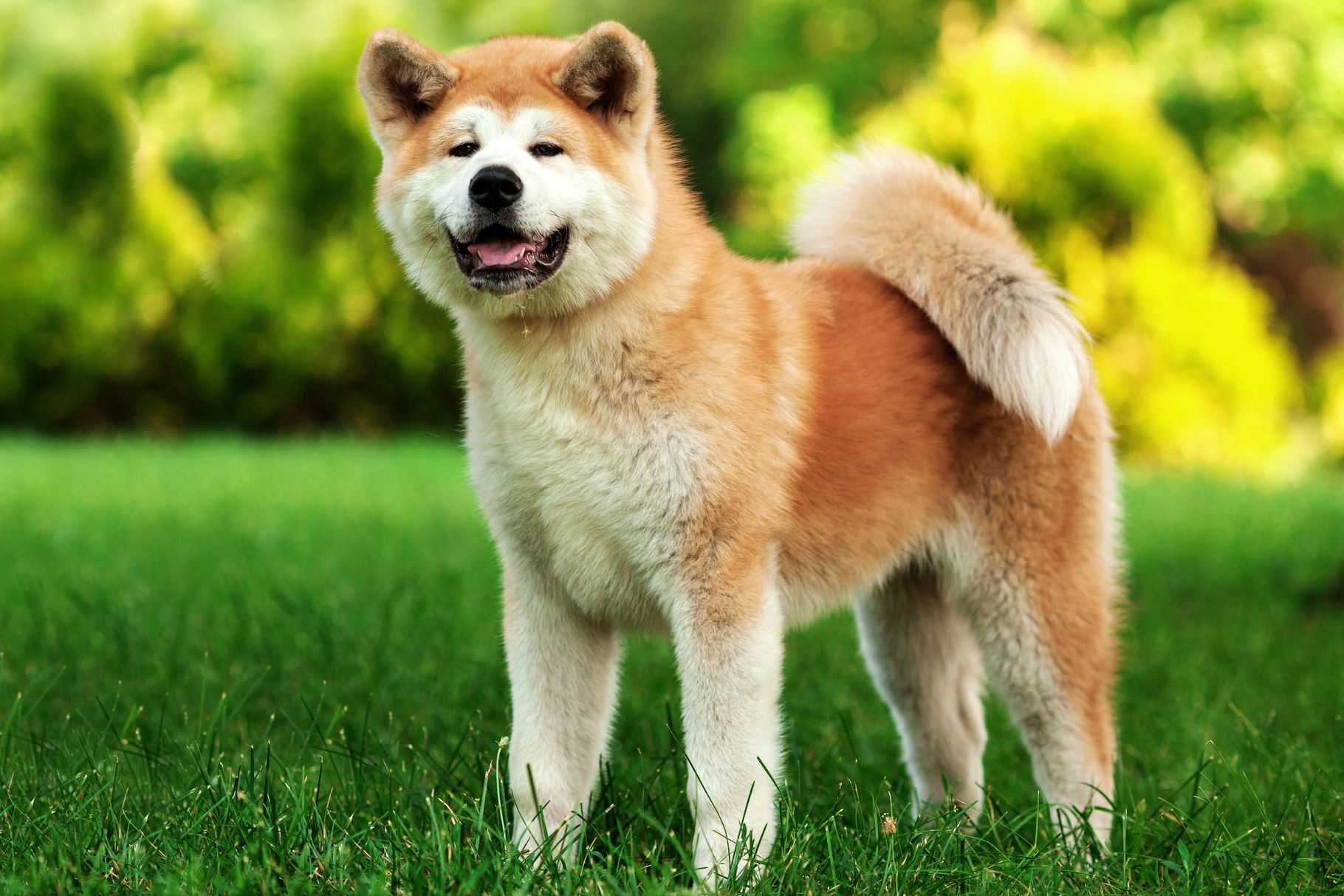
Akita
- Pros: Loyal and dignified.
- Cons: May be reserved with strangers and requires early socialization to prevent aloofness.
- Characteristics: Loyal, dignified, and reserved.
- Family-Friendly Tips: Early socialization and positive exposure to various environments can help Akitas become well-adjusted family members. Consistent training, gentle handling, and providing mental stimulation through games and activities contribute to a harmonious family dynamic.
- Training Focus: Early socialization is crucial to expose Akitas to various people and situations. Positive reinforcement training should focus on obedience and reinforcing good behavior, as Akitas can be independent.
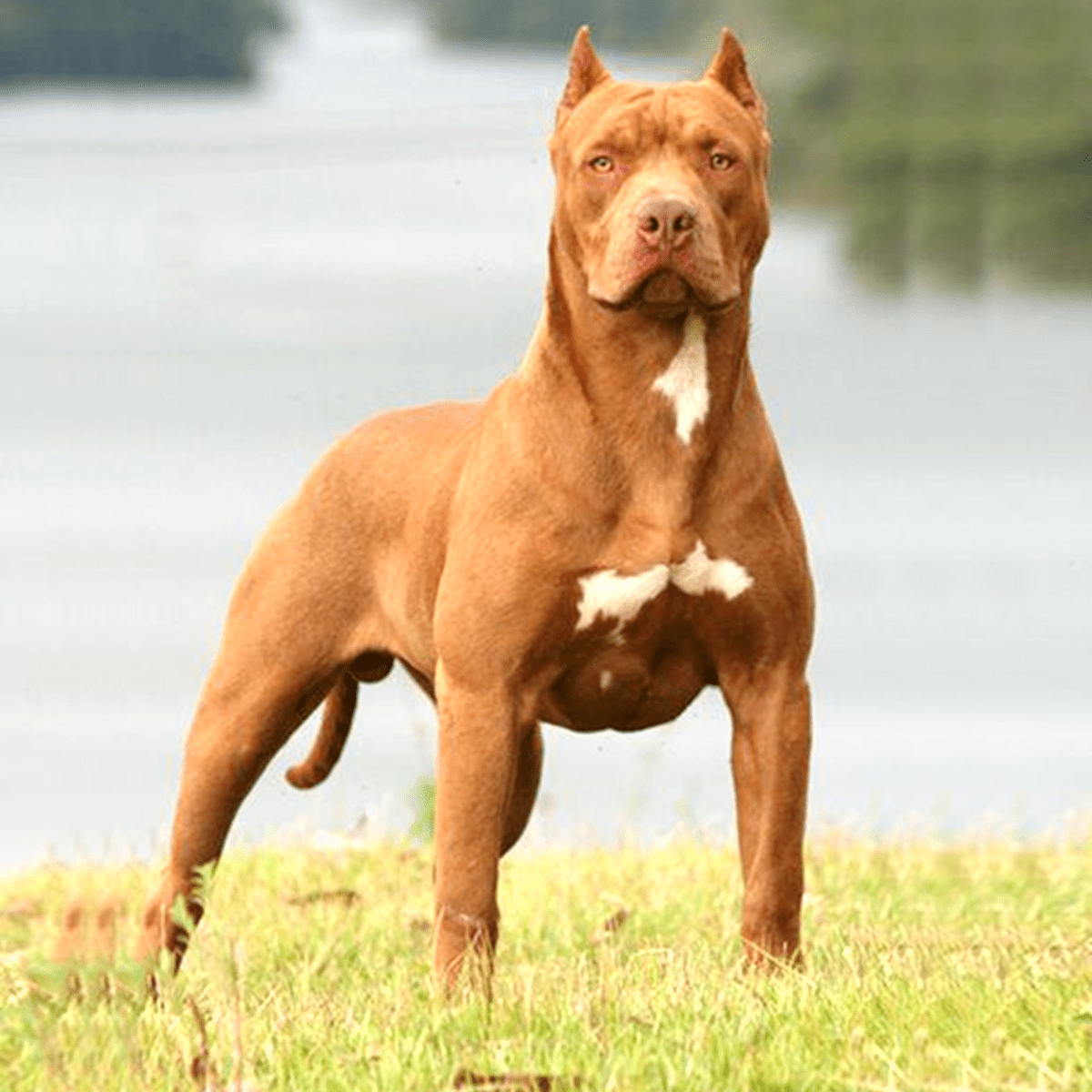
Pit Bull
- Pros: Affectionate and intelligent.
- Cons: May face breed-specific legislation and misconceptions due to their history, requiring responsible ownership and education.
- Characteristics: Affectionate, energetic, and intelligent.
- Family-Friendly Tips: Proper training and positive reinforcement are essential for Pit Bulls. Early socialization helps them develop good manners and a friendly demeanor. Regular exercise, play, and mental stimulation contribute to a happy and well-balanced family dog.
- Training Focus: Positive reinforcement training is essential for Pit Bulls. Focus on socialization to counteract any breed-specific stereotypes. Obedience training helps channel their intelligence and energy positively.
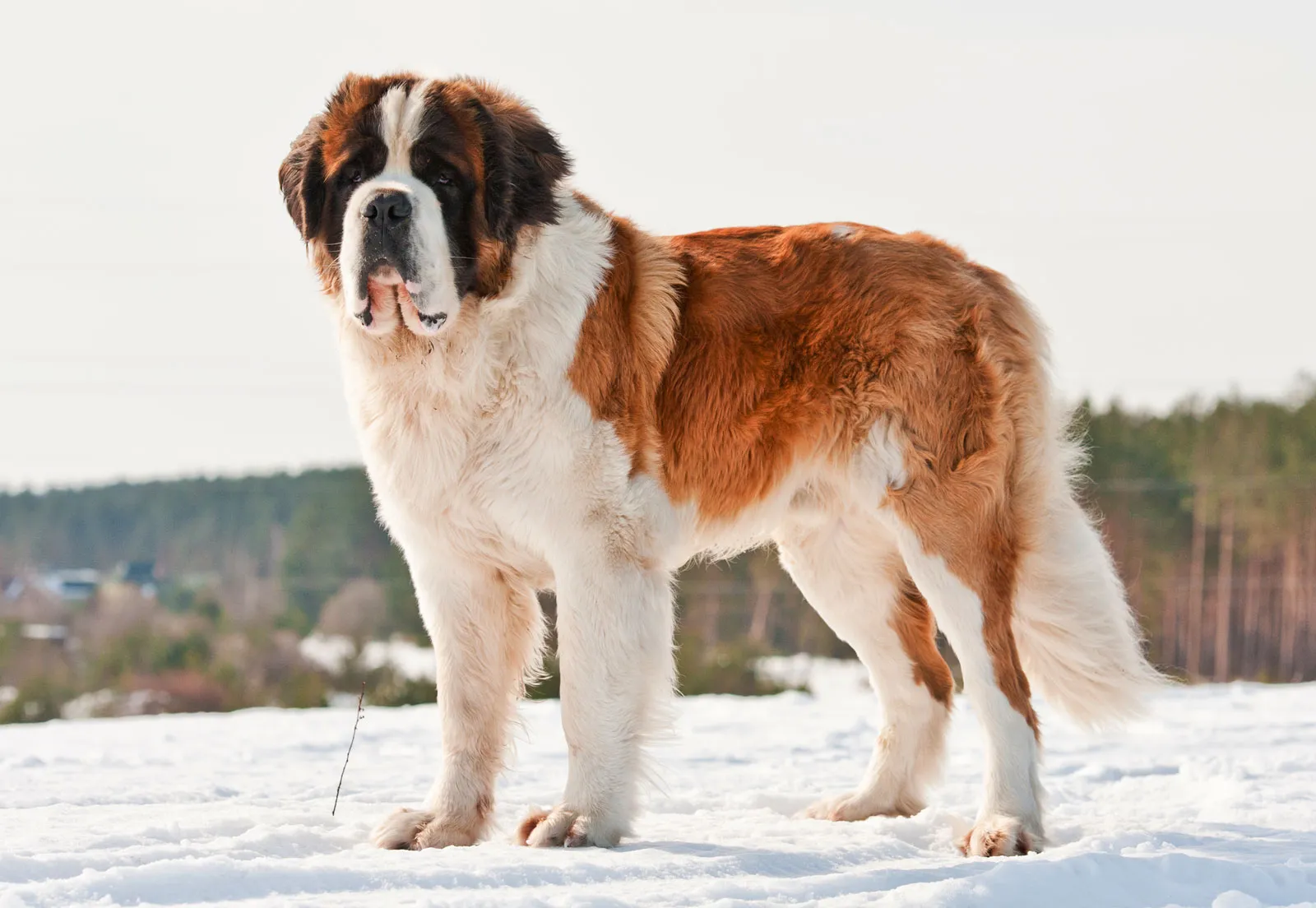
Saint Bernard
- Pros: Gentle and patient.
- Cons: Large size may be a challenge in smaller living spaces, and regular grooming is needed.
- Characteristics: Gentle, friendly, and patient.
- Family-Friendly Tips: Due to their large size, early obedience training is crucial. Saint Bernards thrive on companionship and are well-suited for families. Regular grooming, exercise, and activities that engage their intelligence contribute to their well-being.
- Training Focus: Early obedience training and socialization are crucial due to their large size. Focus on leash training to manage their strength and gentle handling to build trust.
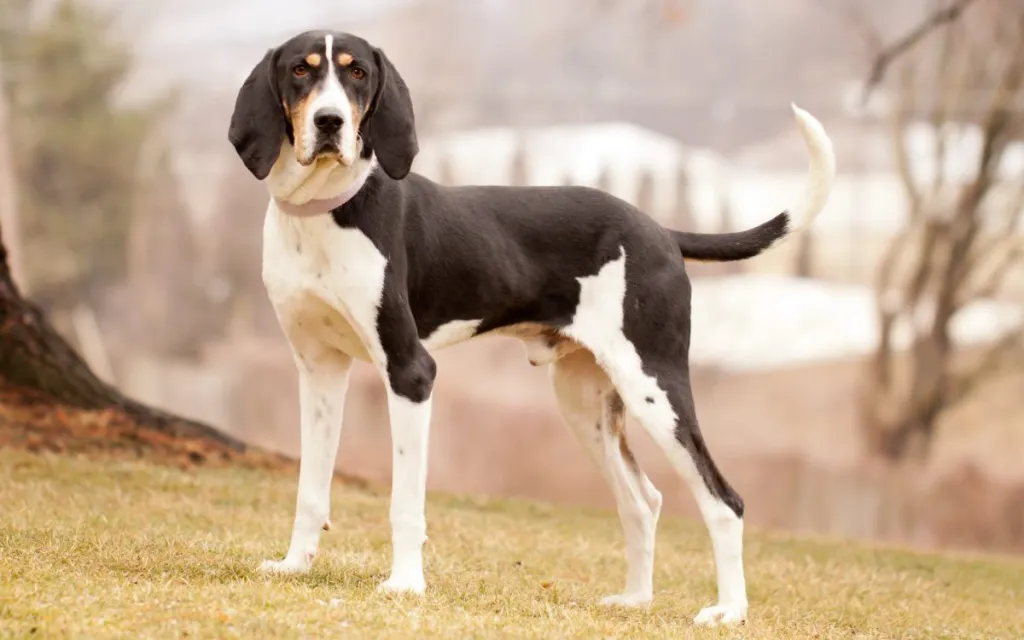
Treeing Walker Coonhound
- Pros: Energetic and friendly.
- Cons: Strong hunting instincts may lead to chasing small animals, and they may be vocal.
- Characteristics: Energetic, intelligent, and friendly.
- Family-Friendly Tips: Regular exercise and mental stimulation are essential for Treeing Walker Coonhounds. Their sociable nature makes them adaptable to family life. Positive reinforcement training and activities that tap into their hunting instincts provide a fulfilling family experience.
- Training Focus: Due to their energetic nature and strong hunting instincts, focus on consistent recall training and providing mental stimulation. Positive reinforcement helps in building a strong bond.
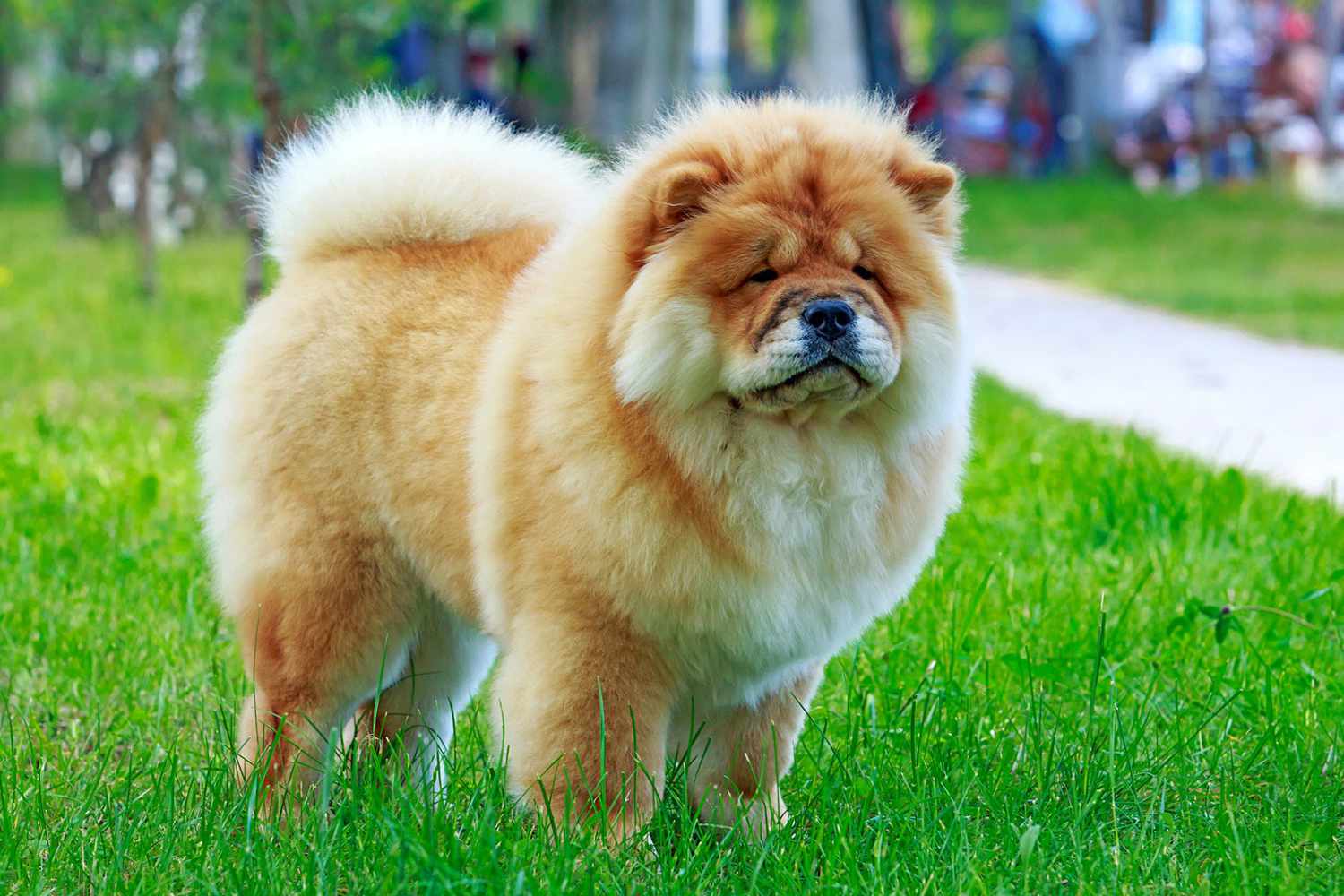
Chow Chow
- Pros: Independent and loyal.
- Cons: Tendency to be aloof with strangers and requires consistent socialization from an early age.
- Characteristics: Independent, dignified, and loyal.
- Family-Friendly Tips: Early socialization is key to helping Chow Chows become well-adjusted family members. Positive reinforcement training, consistent leadership, and gentle handling contribute to a positive relationship. Regular grooming and exercise also maintain their well-being.
- Training Focus: Early and consistent socialization is essential for Chows. Positive reinforcement training should focus on establishing leadership and reinforcing good behavior.
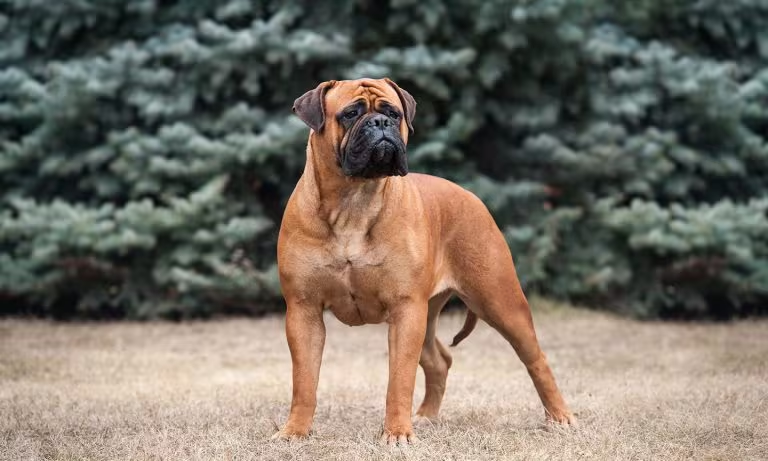
Bullmastiff
- Pros: Gentle and protective.
- Cons: Large size can be a challenge, and they may be reserved with strangers.
- Characteristics: Gentle, affectionate, and protective.
- Family-Friendly Tips: Early training and socialization help Bullmastiffs develop into calm and confident family protectors. Positive reinforcement, consistent rules, and regular exercise contribute to their well-balanced nature. Supervised interactions with children ensure a positive family experience.
- Training Focus: Early socialization and obedience training are crucial for Bullmastiffs. Training should emphasize gentle handling and reinforcing their protective instincts in a controlled manner.
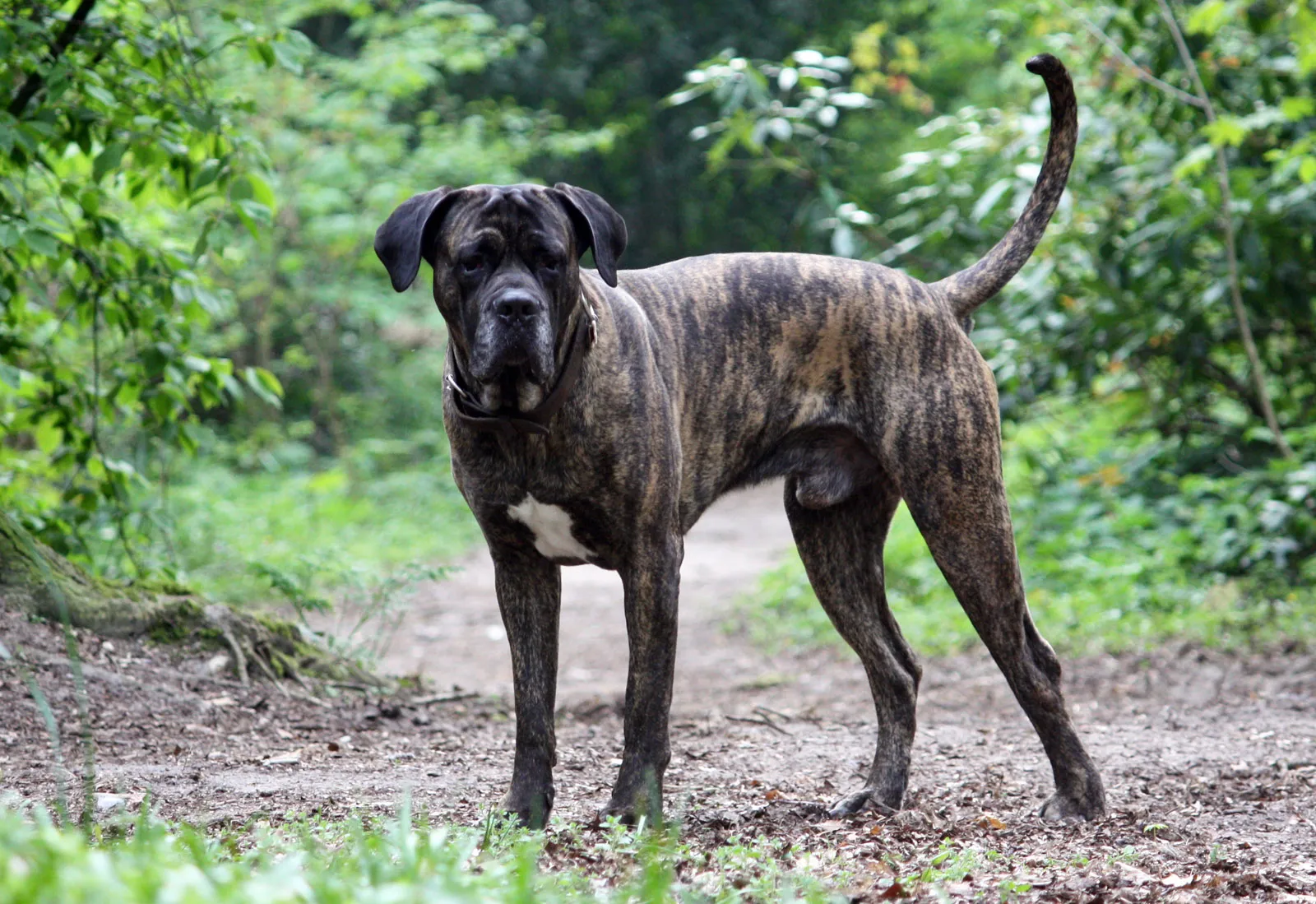
Cane Corso
- Pros: Loyal and trainable.
- Cons: Requires consistent leadership and may be reserved with strangers.
- Characteristics: Loyal, trainable, and protective.
- Family-Friendly Tips: Early socialization and positive exposure to various environments help Cane Corsos become well-mannered family companions. Obedience training, consistent leadership, and regular exercise contribute to a harmonious family dynamic.
- Training Focus: Early socialization is imperative for Cane Corsos. Positive reinforcement training should focus on establishing a strong bond, consistent leadership, and controlled protective instincts.
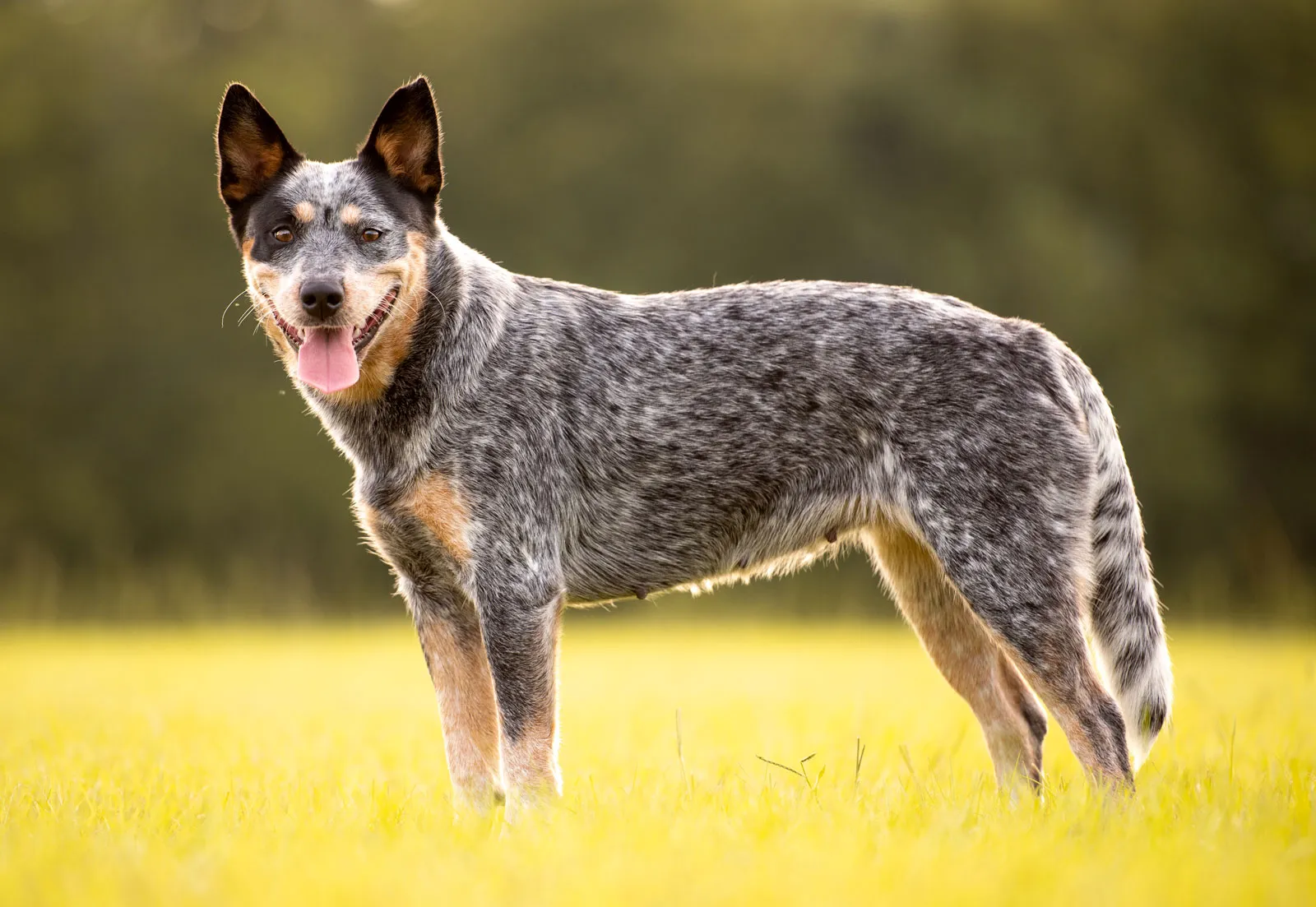
Australian Cattle Dog
- Pros: Intelligent and loyal.
- Cons: High energy levels may require more exercise and mental stimulation than some families anticipate.
- Characteristics: Intelligent, energetic, and loyal.
- Family-Friendly Tips: Regular exercise and mental stimulation are essential for Australian Cattle Dogs. Positive reinforcement training and activities that engage their agility and intelligence contribute to a well-adjusted family pet.
- Training Focus: Due to their intelligence and energy, focus on consistent training that challenges their minds. Obedience training, agility exercises, and positive reinforcement contribute to a well-behaved Cattle Dog.
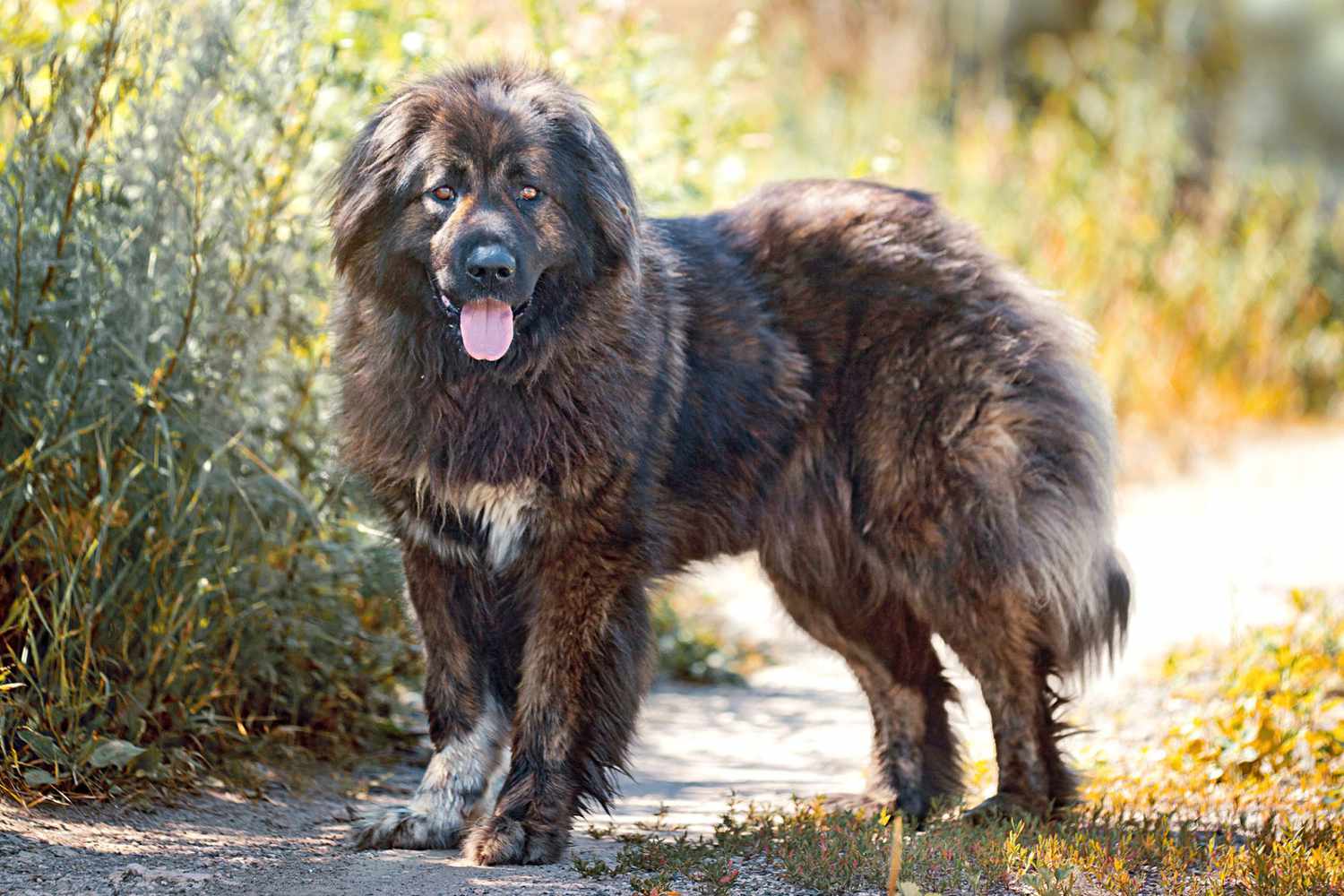
Caucasian Shepherd
- Pros: Protective and loyal.
- Cons: Requires early socialization, and their large size may be challenging.
- Characteristics: Protective, assertive, and loyal.
- Family-Friendly Tips: Early socialization is crucial for Caucasian Shepherds. Positive reinforcement training and consistent leadership help them develop into protective yet well-mannered family members. Regular exercise and mental stimulation contribute to their overall well-being.
- Training Focus: Early and extensive socialization is crucial for Caucasian Shepherds. Positive reinforcement training should focus on reinforcing calm behavior and controlled protective instincts.
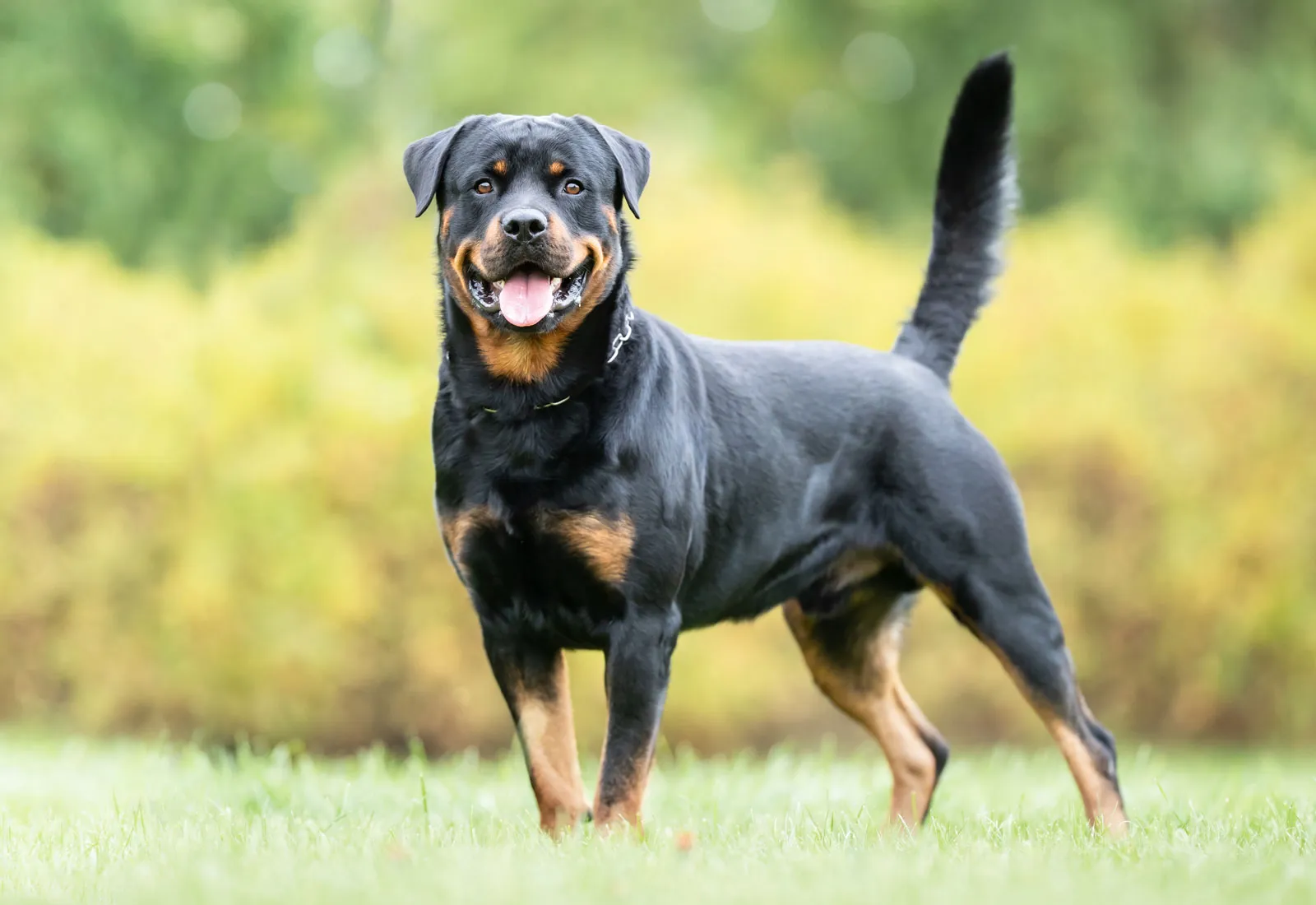
Rottweiler
- Pros: Loyal and good-natured.
- Cons: May exhibit dominance if not properly trained, and early socialization is crucial for a well-mannered Rottweiler.
- Characteristics: Loyal, confident, and good-natured.
- Family-Friendly Tips: Early socialization and positive exposure to various people and situations help Rottweilers become well-adjusted family members. Obedience training, consistent leadership, and regular exercise contribute to their friendly and loving nature.
- Training Focus: Early socialization and obedience training are essential for Rottweilers. Leadership and positive reinforcement help channel their natural confidence in a positive direction.

Chihuahua
American Pit Bull Terrier
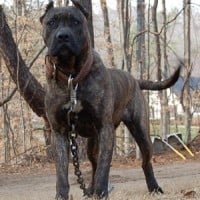
Presa Canario

Doberman
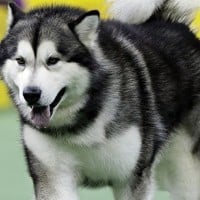
Alaskan Malamute
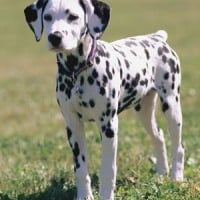
Dalmatian
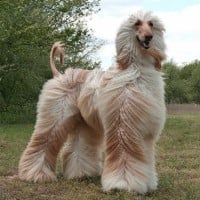
Afghan Hound
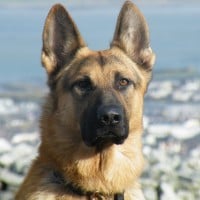
German Shepherd
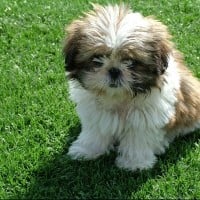
Shih Tzu
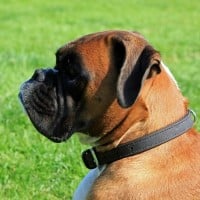
Boxer
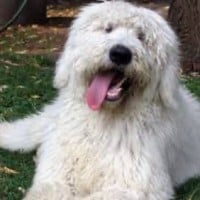
Komondor
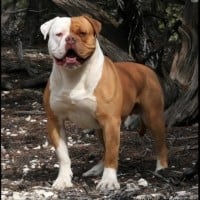
American Bulldog
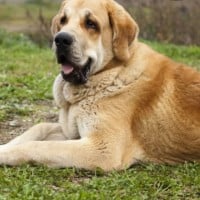
Spanish Mastiff

Poodle

Pug
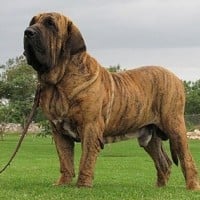
Fila Brasileiro

Bull Terrier
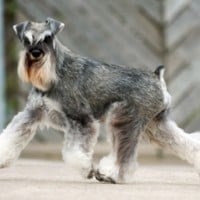
Miniature Schnauzer

Yorkshire Terrier
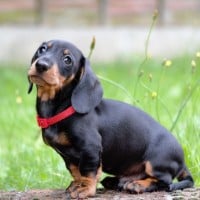
Dachshund
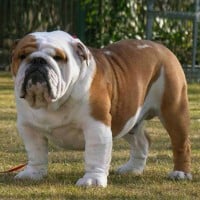
English Bulldog
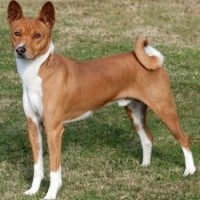
Basenji
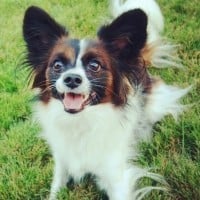
Papillon
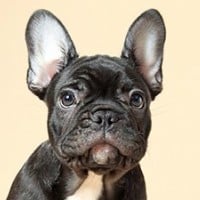
French Bulldog
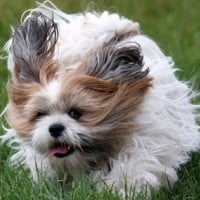
Lhasa Apso
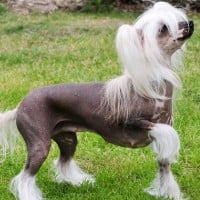
Chinese Crested Dog
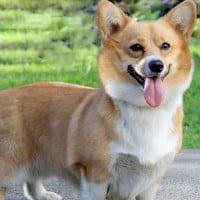
Welsh Corgi

Irish Setter

Bloodhound

Labrador Retriever

Greyhound
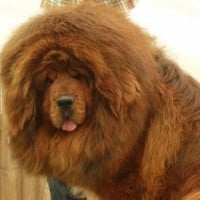
Tibetan Mastiff
And so, our quirky journey through the "Top 10 Worst Dog Breeds" list comes to a close, like the final chapter of a wild bedtime story. But here's the twist—this story was all make-believe! Just like when you imagine your toys having secret tea parties. Remember, pals, every dog is like a unique puzzle piece, fitting into families with different shapes and sizes.
Now, grab your invisible capes, because here's the scoop: dogs aren't about being the "worst" or the "best"; they're about being our waggy-tailed pals who teach us how to jump into puddles of joy. So, as we wave goodbye to this pretend adventure, let's celebrate the real deal—our furry friends who bring laughter, woofs, and maybe a little mischief into our lives. Here's to the tail-waggin', belly-rubbin', utterly fantastical world of dogs!
📋 Embed this ranking on your site
Think something's missing? Add it to the list.