100 Most Expensive Cities in The World
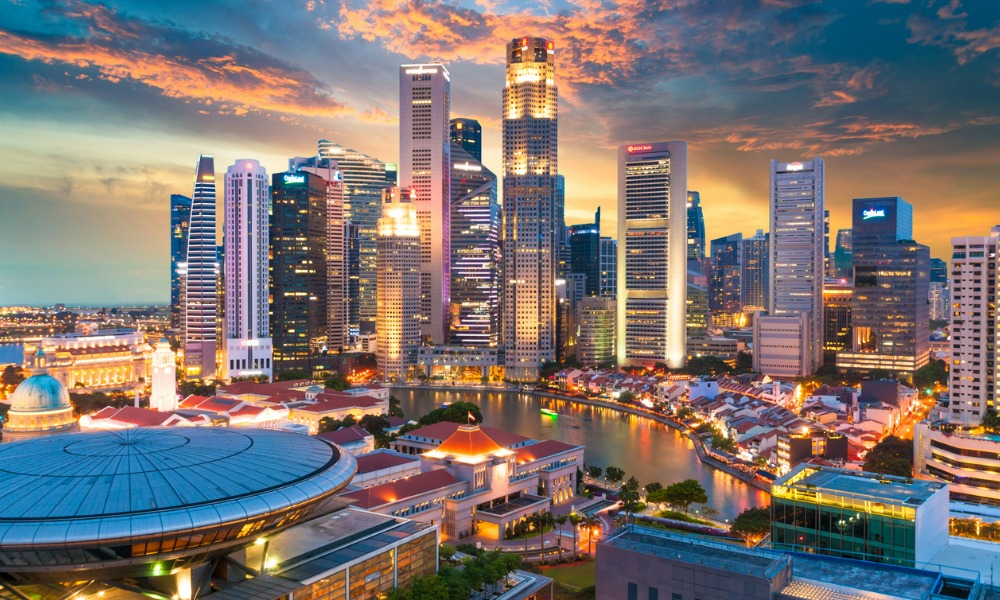
The global cost-of-living crisis isn't just a news headline—it's a brutal reality check for your wallet in these cities. Forget 'expensive' meaning a fancy coffee; in these top-tier locations, it means a $30,000 annual kindergarten bill, a $7,000 monthly rent for a one-bedroom, and a grocery run that feels like a luxury purchase. This ranking isn't about prestige; it's a raw look at where basic survival commands a Fortune 500 salary.
Hong Kong and Singapore have been trading punches for the top spot for years, with Zurich and Geneva right behind them, thanks to sky-high rents and punishing prices for everything from transportation to a decent meal. New York City finally cracked the top tier, proving the American dream comes with a staggering price tag. What's wild is seeing cities like Tel Aviv and Seoul consistently ranking higher than London or Paris, driven by localized housing crunches and the sheer cost of imported goods.
San Francisco - United States
San Francisco isn't just expensive; it's a financial black hole for anyone who doesn't have a tech CEO's stock options. The median home price is a soul-crushing $1.4 million, and you'll drop over $3,500 a month for a one-bedroom apartment that's probably still a 45-minute bus ride from downtown.
It's the perfect storm of insane demand from Silicon Valley money, brutal geographic constraints, and a housing policy that seems designed to keep prices high. You pay for the privilege of being near the action, and even a basic lunch in the Mission will cost you $20 without a second thought.
New York - United States
Alright, let's be real: New York City tops this list for the exact reasons you think it would. We're talking about a Manhattan one-bedroom apartment that costs more than a mansion elsewhere, a $6 coffee that's somehow standard, and a cocktail menu where $25 is the baseline, not the splurge. It's the sheer, unapologetic scale of it—the rent, the taxes, the $300 parking tickets, the $30 salads. This isn't just expensive; it's a masterclass in extracting cash from your wallet for the privilege of existing on this particular slab of granite.
Sure, you get the energy, the culture, the bagels. But for ranking purposes, the financial pain points are legendary and universal. From the broker's fee on that overpriced apartment to the surprise 'cost of living adjustment' on your utility bill, New York doesn't just compete on price—it sets the global benchmark for urban expense. Other cities are expensive; New York feels like a non-negotiable subscription to the most demanding service on earth.
Hong Kong - China
Hong Kong isn't just expensive; it's a financial pressure cooker where the cost of living is a brutal, daily reality. Forget New York or London—property prices here per square foot are absolutely insane, making a shoebox apartment a million-dollar prospect. It's the extreme intersection of limited space, immense wealth, and a tax system that pushes all the costs onto everyday living.
The ranking is deserved, but it's for all the wrong reasons. You're paying a premium for cramped quarters, while essentials like groceries and transport sting harder than in most other global hubs. It's the best example of a city where astronomical wealth and eye-watering personal expense exist side by side, no questions asked.
Los Angeles - United States
Los Angeles lands on this list for all the obvious reasons, and they're all true. You're paying for the dream factory tax — that sunshine, those palm trees, and the slim chance your barista screenplay gets bought. A decent one-bedroom anywhere near the action will easily run you $3,000 a month, and that's before you factor in the mandatory car payment and $6 gas.
What really stings, though, isn't just the rent. It's the $18 artisanal toast, the $25 valet parking you can't avoid, and the feeling that every basic service costs double because you're in 'LA'. You pay a premium to be in the cultural engine room, surrounded by insane wealth while navigating a crumbling public infrastructure. Worth it? For the weather and the industry access, maybe. But your bank account will feel it every single day.
London - United Kingdom
London makes this list because it's the place where your paycheck evaporates before you even see it. The average monthly rent for a one-bed flat in Zone 1 will set you back over £2,500, and that's before you've paid your council tax, your extortionate tube fare, or bought a single pint in a central pub.
Forget the tourist traps—the real financial pain is in the daily grind. A Zone 1-3 annual travelcard costs more than £2,000, and a basic lunch near the office can easily run you £15. It's a city built on finance and global capital, and it charges accordingly, making it one of the most brutally expensive places on Earth to actually live.
Zurich - Switzerland
Zurich isn't just expensive; it's routinely in the top three most expensive cities on the planet, battling it out with Singapore and Hong Kong for the top spot. A simple coffee can run you $7, and forget about a cheap dinner—a basic meal for two at a neighborhood spot easily clears $100 without drinks. The Swiss franc's strength and sky-high local wages for sectors like banking and pharmaceuticals make everything cost more.
You're paying for pristine streets, flawless public transport, and that famous Swiss quality of life, but your wallet will feel it. Groceries at Migros or Coop will shock you, and renting an apartment—if you can even find one—requires a small fortune. Living here means accepting that everything costs 40-50% more than in most other European capitals.
Singapore - Singapore
Singapore, the dazzling Lion City, stands prominently among the top 100 most expensive cities in the world. Its esteemed reputation as one of the top 100 most expensive cities in the world is molded by a unique fusion of factors that contribute to its elevated cost of living. Join us as we uncover what distinguishes Singapore among the top 100 expensive cities in the world and discover why it's a global economic powerhouse, a city of impeccable standards, and a metropolis where quality living meets the challenge of limited land area.
At the core of Singapore's high living costs is its status as a strong economic force. The city boasts a bustling financial sector, attracting professionals with competitive salaries and an unrivaled business environment. This economic magnetism, bolstered by a government committed to business-friendly policies, draws international talent. However, this success also results in fierce competition for quality housing in premium districts like Orchard Road and Sentosa Island. The limited availability of prime real estate inevitably inflates property prices and rental rates, firmly establishing Singapore among the top 100 most expensive cities to live in.
Yet, Singapore's appeal goes beyond finance; it's a city of efficiency and high standards. It boasts impeccable cleanliness, safety, and public services. The city's commitment to green spaces and sustainability adds depth to its allure. Singapore's culinary scene is equally enticing, offering a mouthwatering array of street food and fine dining options. The city's dedication to the arts, culture, and education enriches its cultural fabric. However, the persistent demand for quality housing remains a challenge, causing high living costs and reinforcing Singapore's identity as one of the 100 most expensive cities in the world.
In conclusion, Singapore stands as a shining example of economic prowess, high standards, and cultural diversity, where a meticulous blend of elements contributes to high living costs. From its financial magnetism to its impeccable standards and the allure of its culinary scene, Singapore offers a unique fusion of opportunities and refined living that comes at a premium. Singapore confidently maintains its place among the most expensive cities in the world, epitomizing excellence, innovation, and the spirit of Southeast Asia.
Dublin - Ireland
Dublin isn't just expensive; it's a full-scale financial assault. The combination of multinational tech money and a chronic housing shortage has created a perfect storm where a basic pint costs over €7 and a one-bedroom apartment can easily clear €2,000 a month.
Frankly, you're paying a premium for the privilege of being squeezed. The city center feels like it's been gentrified into a corporate campus, pushing the actual culture to the fringes. It's the price you pay when your capital becomes a tax haven for Silicon Valley.
Luxembourg - Luxembourg
Luxembourg City isn't just expensive—it's a fortress of finance with prices to match. In 2024, a simple lunch in the Grund district can easily run you €30, while renting a one-bedroom apartment in the city center averages over €2,000 a month. The cost of living here consistently lands it in the top five globally, right alongside Zurich and Geneva.
You're paying for the privilege of living in the richest capital in the EU. The high salaries in the banking and EU institution sectors inflate everything, from groceries at Auchan to a pint at Scott's Pub. It's clean, safe, and wealthy, but your wallet will feel the squeeze the moment you step off the plane at Luxembourg Airport.
Amsterdam - Netherlands
Amsterdam cracks the top ten of this list and honestly, it's no surprise. The city's housing market is absolutely brutal — a decent one-bedroom apartment anywhere near the canal ring will set you back over €2,000 a month, and buying is a pipe dream for most. You feel it in the grocery store and at every cafe, where prices have shot up to match the influx of tourists and expats.
It's a beautiful, chaotic, and incredibly fun city, but living here means accepting that your wallet is going to take a serious hit. The high cost is the direct price of admission for that iconic canal-side lifestyle and the city's massive global appeal.
Sydney - Australia
Sydney isn't just expensive; it's punishing. The median house price has soared past the $1.3 million AUD mark, and you'll feel that squeeze everywhere from a $6 flat white in Surry Hills to the eye-watering weekly rent for a shoebox apartment near the CBD.
What really stings is that you pay this premium for a city that's often closed. The famous beaches are a nightmare to park near, public transport is chronically congested, and that iconic harbour view? You'll be mortgaged to the hilt for it. You're buying the postcard, but the reality is a relentless grind to afford the lifestyle Sydney sells you.
Dubai - United Arab Emirates
Dubai, the dazzling jewel of the Middle East, firmly secures its position among the top 100 most expensive cities in the world. Its esteemed reputation as one of the top 100 most expensive cities in the world is shaped by an opulent mix of factors that contribute to its elevated cost of living. Join us as we explore what sets Dubai apart among the top 100 expensive cities in the world and discover why it's a city of extravagance, a hub of architectural marvels, and a metropolis where luxurious living meets a tax-free business environment.
At the core of Dubai's elevated living costs is its reputation as a luxurious destination. The city boasts a dazzling array of opulent hotels, shopping malls, and world-class amenities, attracting visitors and residents seeking the finest in life. Dubai's economic allure lies in its tax-free business environment, offering entrepreneurs and professionals a lucrative opportunity. However, this success also results in fierce competition for luxury accommodations in iconic districts like Palm Jumeirah and Downtown Dubai. The limited availability of premium real estate inevitably inflates property prices and rental rates, firmly establishing Dubai among the top 100 most expensive cities to live in.
Yet, Dubai's appeal transcends luxury; it's a city of architectural marvels. With iconic structures like the Burj Khalifa and the Palm Islands, Dubai pushes the boundaries of design and engineering. The city's commitment to world-class events, entertainment, and leisure activities adds depth to its allure. Dubai's culinary scene is equally enticing, offering a gourmet journey around the globe. However, the persistent demand for premium housing remains a challenge, causing high living costs and reinforcing Dubai's identity as one of the 100 most expensive cities in the world.
In conclusion, Dubai stands as an extravagant blend of luxury, innovation, and architectural wonder, where a lavish mix of elements contributes to high living costs. From its opulent attractions to its architectural grandeur and the allure of its tax-free environment, Dubai offers a unique fusion of opportunities and luxurious living that comes at a premium. Dubai confidently maintains its place among the most expensive cities in the world, epitomizing extravagance, ambition, and the spirit of the United Arab Emirates.
Toronto - Canada
Toronto makes this list because its housing market is completely insane. A detached house will cost you over $1.4 million on average, and good luck finding a decent one-bedroom condo downtown for under $700,000. The city's reputation as a safe, desirable place to live has collided with decades of insufficient housing construction, creating a perfect storm of unaffordability.
It's not just real estate. Groceries, gas, and eating out all hit harder here than in most American cities. The high taxes on everything from income to alcohol don't help your wallet either. Toronto feels expensive because it is expensive—you're paying a massive premium for the privilege of living in Canada's economic and cultural capital.
Vancouver - Canada
Vancouver cracks the global top 40 for cost of living, and you feel it the second you try to rent a one-bedroom or fill up your car. This isn't just a Toronto or San Francisco problem — it's a perfect storm of geography, policy, and demand. The mountains and ocean box the city in, making new housing a nightmare to build. Meanwhile, the city became a global safety deposit box for capital, driving real estate into the stratosphere long before the current inflation spike.
Forget buying. The benchmark home price sits around $1.2 million CAD. A decent downtown apartment will run you over $3,000 a month. Groceries, gas, and insurance are among the priciest in North America. You pay a massive premium for the postcard views and 'livability,' but for many, the math has stopped working. It's a brutally expensive city that makes you question what you're really getting for your money.
Haarlem - Netherlands
Haarlem, a picturesque Dutch gem nestled near Amsterdam, gracefully secures its place among the top 100 most expensive cities in the world. Its esteemed reputation as one of the top 100 most expensive cities in the world is shaped by a charming mix of factors that contribute to its elevated cost of living. Join us as we explore what distinguishes Haarlem among the top 100 expensive cities in the world and discover why it's a haven of historic charm, a coastal delight, and a city where quaint living meets limited housing supply amid a serene atmosphere.
At the core of Haarlem's elevated living costs is its status as a picturesque historic town. The city boasts cobblestone streets, well-preserved 17th-century architecture, and cultural landmarks like the Frans Hals Museum. Haarlem's economic appeal lies in its proximity to Amsterdam, offering professionals access to the bustling Dutch capital. However, this success also intensifies competition for quality housing in the heart of Haarlem. The limited availability of prime real estate inevitably inflates property prices and rental rates, firmly establishing Haarlem among the top 100 most expensive cities to live in.
Yet, Haarlem's allure goes beyond history; it's a city of serene coastal living. Located near the North Sea coast, Haarlem provides residents with access to beautiful beaches and the tranquility of coastal life. The city's dedication to sustainability, cycling infrastructure, and green initiatives adds depth to its allure. Haarlem's culinary scene showcases Dutch and international flavors, offering a delightful gastronomic journey. However, the persistent demand for premium housing remains a challenge, causing high living costs and reinforcing Haarlem's identity as one of the 100 most expensive cities in the world.
In conclusion, Haarlem stands as a charming blend of history, coastal beauty, and quaint living, where a serene mix of elements contributes to high living costs. From its historic streets to its coastal tranquility and the richness of its culinary experiences, Haarlem offers a unique fusion of opportunities and picturesque living that comes at a premium. Haarlem confidently maintains its place among the most expensive cities in the world, epitomizing heritage, serenity, and the spirit of the Netherlands.
Portland - United States
Portland, a city of rising popularity in the United States, proudly secures its place among the top 100 most expensive cities in the world. Its esteemed reputation as one of the top 100 most expensive cities in the world is shaped by a unique blend of factors that contribute to its elevated cost of living. Join us as we explore what distinguishes Portland among the top 100 expensive cities in the world and discover why it's a hub of creativity, a city of the great outdoors, and a metropolis where desirable lifestyle meets limited housing supply in trendy neighborhoods.
At the core of Portland's elevated living costs is its status as a creative epicenter. The city is renowned for its vibrant arts scene, craft breweries, and a dynamic tech industry. Portland's economic appeal lies in its strong job market, particularly in tech and creative sectors, providing professionals with promising career opportunities. However, this success also intensifies competition for quality housing in popular areas like Pearl District and Hawthorne. The limited availability of prime real estate inevitably inflates property prices and rental rates, firmly establishing Portland among the top 100 most expensive cities to live in.
Yet, Portland's allure extends beyond creativity; it's a city of outdoor enthusiasts. Surrounded by lush forests and natural beauty, the city offers endless opportunities for hiking, biking, and exploring the great outdoors. The city's dedication to sustainability, eco-friendly initiatives, and farm-to-table dining adds depth to its allure. Portland's culinary scene is equally enticing, offering a delightful range of local and international cuisines. However, the persistent demand for premium housing remains a challenge, causing high living costs and reinforcing Portland's identity as one of the 100 most expensive cities in the world.
In conclusion, Portland stands as a creative blend of innovation, outdoor adventure, and vibrant living, where a diverse mix of elements contributes to high living costs. From its creative energy to its natural splendor and the richness of its culinary experiences, Portland offers a unique fusion of opportunities and trendy living that comes at a premium. Portland confidently maintains its place among the most expensive cities in the world, epitomizing creativity, nature, and the spirit of the Pacific Northwest.
Copenhagen - Denmark
Copenhagen isn't just expensive; it's punishingly so. A simple beer will run you 80-100 DKK ($12-$15), a basic lunch easily hits $25, and even a kebab feels like a luxury purchase. This isn't tourist gouging—it's the baseline, driven by sky-high salaries, a 25% VAT on almost everything, and a tax system that funds that famous quality of life.
Frankly, you pay for the system. Your $8 coffee helps subsidize parental leave and free university tuition. The upside? You get a spotless, efficient, and safe city where everything just works. Is it worth the constant wallet-emptying? For a short visit, maybe not. For living the Danish dream of work-life balance and designer furniture? Probably, but your bank account will feel it for years.
Doha - Qatar
Doha isn't just expensive; it feels like a city built from scratch with a blank-check budget. You see it in the skyline of hyper-modern towers like the Tornado Tower, the man-made Pearl-Qatar island with its Venetian-style canals, and the staggering cost of a simple lunch in West Bay, which can easily clear $50 for a burger and a soda.
The 2022 FIFA World Cup supercharged everything, from hotel prices that never came back down to the insane rents in expat compounds. Forget buying property—unless you’re a Qatari national, you basically can’t. You pay for the polished, air-conditioned bubble, and the bill is relentlessly high. It makes nearby Dubai look like a bargain.
Paris - France
Paris, the City of Light and a global icon of culture, proudly secures its place among the top 100 most expensive cities in the world. Its esteemed reputation as one of the top 100 most expensive cities in the world is shaped by an elegant blend of factors that contribute to its elevated cost of living. Join us as we explore what distinguishes Paris among the top 100 expensive cities in the world and discover why it's a city of artistry, a culinary mecca, and a metropolis where timeless beauty meets limited real estate availability in prestigious neighborhoods.
At the core of Paris's elevated living costs is its status as a cultural epicenter. The city boasts world-class museums, historic landmarks, and an enduring artistic legacy. Paris's economic appeal lies in its reputation as a global center for fashion and cuisine, providing professionals and artisans with unparalleled opportunities. However, this success also intensifies competition for real estate in prestigious areas like Le Marais and Saint-Germain-des-Prés. The limited availability of prime properties inevitably inflates property prices and rental rates, firmly establishing Paris among the top 100 most expensive cities to live in.
Yet, Paris's allure transcends culture; it's a city of culinary excellence. With its renowned cafes, patisseries, and restaurants, Paris offers a gourmet journey that celebrates French cuisine's finesse. The city's dedication to preserving its architectural heritage, green spaces, and cultural events adds depth to its allure. Paris's artistry extends to its neighborhoods, each with its own unique charm. However, the persistent demand for premium real estate remains a challenge, causing high living costs and reinforcing Paris's identity as one of the 100 most expensive cities in the world.
In conclusion, Paris stands as an elegant blend of culture, culinary mastery, and timeless beauty, where a diverse mix of elements contributes to high living costs. From its cultural treasures to its cuisine par excellence and the charm of its historic neighborhoods, Paris offers a unique fusion of opportunities and artistic living that comes at a premium. Paris confidently maintains its place among the most expensive cities in the world, epitomizing sophistication, creativity, and the spirit of France.
Munich - Germany
Munich, the charming Bavarian capital, proudly secures its place among the top 100 most expensive cities in the world. Its esteemed reputation as one of the top 100 most expensive cities in the world is shaped by a rich blend of factors that contribute to its elevated cost of living. Join us as we explore what distinguishes Munich among the top 100 expensive cities in the world and discover why it's a city of tradition, technological innovation, and a metropolis where quality of life meets limited housing supply amidst a backdrop of beer gardens and cultural heritage.
At the core of Munich's elevated living costs is its status as a cultural treasure trove. The city boasts historic architecture, world-class museums, and a vibrant cultural scene. Munich's economic appeal lies in its strong economy and a prosperous job market, particularly in sectors like automotive and technology, providing residents with secure employment prospects. However, this success also intensifies competition for quality housing in sought-after areas like Schwabing and Maxvorstadt. The limited availability of prime real estate inevitably inflates property prices and rental rates, firmly establishing Munich among the top 100 most expensive cities to live in.
Yet, Munich's allure extends beyond culture; it's a city of technological prowess. Home to renowned universities and tech giants, Munich fosters innovation and entrepreneurship. The city's dedication to green spaces, historic preservation, and culinary delights adds depth to its allure. Munich's beer gardens and traditional Bavarian cuisine add to its cultural charm. However, the persistent demand for premium housing remains a challenge, causing high living costs and reinforcing Munich's identity as one of the 100 most expensive cities in the world.
In conclusion, Munich stands as a rich blend of culture, innovation, and tradition, where a diverse mix of elements contributes to high living costs. From its cultural heritage to its technological advancements and the warmth of its beer gardens, Munich offers a unique fusion of opportunities and Bavarian living that comes at a premium. Munich confidently maintains its place among the most expensive cities in the world, epitomizing history, innovation, and the spirit of Germany.
Tel Aviv-Yafo - Israel
Tel Aviv-Yafo, the vibrant heart of Israel, proudly secures its place among the top 100 most expensive cities in the world. Its esteemed reputation as one of the top 100 most expensive cities in the world is shaped by a dynamic blend of factors that contribute to its elevated cost of living. Join us as we explore what distinguishes Tel Aviv-Yafo among the top 100 expensive cities in the world and discover why it's a tech hub, a beachside paradise, and a metropolis where innovation meets limited housing supply amidst the Mediterranean coastal charm.
At the core of Tel Aviv-Yafo's elevated living costs is its status as a tech innovation center. The city is a breeding ground for startups, tech giants, and entrepreneurial endeavors. Tel Aviv's economic appeal lies in its thriving tech industry, offering professionals exciting career opportunities and a vibrant startup ecosystem. However, this success also intensifies competition for quality housing in desirable areas like Rothschild Boulevard and Neve Tzedek. The limited availability of prime real estate inevitably inflates property prices and rental rates, firmly establishing Tel Aviv-Yafo among the top 100 most expensive cities to live in.
Yet, Tel Aviv-Yafo's allure transcends tech; it's a city of coastal living. Nestled along the Mediterranean, Tel Aviv offers a beachside lifestyle with stunning sunsets and vibrant promenades. The city's dedication to green spaces, cultural festivals, and culinary diversity adds depth to its allure. Tel Aviv's culinary scene is equally enticing, offering a fusion of flavors from around the world. However, the persistent demand for premium housing remains a challenge, causing high living costs and reinforcing Tel Aviv-Yafo's identity as one of the 100 most expensive cities in the world.
In conclusion, Tel Aviv-Yafo stands as a dynamic blend of innovation, coastal charm, and culinary excellence, where a diverse mix of elements contributes to high living costs. From its tech vibrancy to its Mediterranean allure and the richness of its culinary experiences, Tel Aviv-Yafo offers a unique fusion of opportunities and coastal living that comes at a premium. Tel Aviv-Yafo confidently maintains its place among the most expensive cities in the world, epitomizing innovation, relaxation, and the spirit of Israel.
Oxford - United Kingdom
Oxford, the historic seat of academia, proudly secures its place among the top 100 most expensive cities in the world. Its esteemed reputation as one of the top 100 most expensive cities in the world is shaped by a blend of factors that contribute to its elevated cost of living, combining heritage, intellectual prestige, and limited housing supply. Join us as we explore what distinguishes Oxford among the top 100 expensive cities in the world and discover why it's a city of learning, cultural heritage, and a metropolis where academic excellence meets limited housing availability amidst centuries-old architecture.
At the core of Oxford's elevated living costs is its status as a world-renowned academic center. The city is home to the University of Oxford, one of the oldest and most prestigious universities globally, attracting scholars and students from across the globe. Oxford's economic appeal lies in its intellectual vibrancy, offering opportunities for research, education, and innovation. However, this success also intensifies competition for quality housing in historic districts like Jericho and Headington. The limited availability of prime real estate inevitably inflates property prices and rental rates, firmly establishing Oxford among the top 100 most expensive cities to live in.
Yet, Oxford's allure extends beyond academia; it's a city of cultural richness. With its iconic libraries, museums, and literary heritage, Oxford offers a deep dive into the world of arts and culture. The city's dedication to green spaces, riverside walks, and traditional pubs adds depth to its allure. Oxford's culinary scene is a blend of traditional British fare and international influences. However, the persistent demand for premium housing remains a challenge, causing high living costs and reinforcing Oxford's identity as one of the 100 most expensive cities in the world.
In conclusion, Oxford stands as a unique blend of academia, culture, and intellectual heritage, where a diverse mix of elements contributes to high living costs. From its academic excellence to its cultural treasures and the charm of its historic neighborhoods, Oxford offers a unique fusion of opportunities and intellectual living that comes at a premium. Oxford confidently maintains its place among the most expensive cities in the world, epitomizing scholarship, heritage, and the spirit of the United Kingdom.
Milan - Italy
Milan, the fashion and design capital of Italy, proudly secures its place among the top 100 most expensive cities in the world. Its esteemed reputation as one of the top 100 most expensive cities in the world is shaped by a stylish blend of factors that contribute to its elevated cost of living. Join us as we explore what distinguishes Milan among the top 100 expensive cities in the world and discover why it's a city of haute couture, historical grandeur, and a metropolis where fashion meets limited housing supply amidst architectural splendor.
At the core of Milan's elevated living costs is its status as a fashion powerhouse. The city is synonymous with luxury brands, high-end boutiques, and world-class fashion events. Milan's economic appeal lies in its reputation as a global center for fashion and design, offering professionals in these industries unparalleled opportunities. However, this success also intensifies competition for quality housing in sought-after areas like Brera and Navigli. The limited availability of prime real estate inevitably inflates property prices and rental rates, firmly establishing Milan among the top 100 most expensive cities to live in.
Yet, Milan's allure extends beyond fashion; it's a city of cultural magnificence. With its iconic cathedrals, historic theaters, and art collections, Milan offers a journey through Italy's artistic heritage. The city's dedication to green spaces, culinary traditions, and aperitivo culture adds depth to its allure. Milan's culinary scene is a fusion of traditional Italian flavors and international influences. However, the persistent demand for premium housing remains a challenge, causing high living costs and reinforcing Milan's identity as one of the 100 most expensive cities in the world.
In conclusion, Milan stands as a stylish blend of fashion, culture, and historical grandeur, where a diverse mix of elements contributes to high living costs. From its fashion extravagance to its artistic treasures and the charm of its historic neighborhoods, Milan offers a unique fusion of opportunities and fashionable living that comes at a premium. Milan confidently maintains its place among the most expensive cities in the world, epitomizing elegance, creativity, and the spirit of Italy.
Reykjavik - Iceland
Reykjavik isn’t just expensive—it feels like your wallet spontaneously combusts. A basic lunch here can run you $25, and good luck finding a beer under $12. The city’s remote location means nearly everything is imported, and Iceland’s high wages and taxes get baked into every single price tag.
Honestly, it’s the little things that break you. A gallon of gas? Over $8. A simple pint of domestic beer in a bar? Forget about it. You’re paying for pristine nature and a society that works, but your bank account will need a serious vacation after visiting.
Houston - United States
Abu Dhabi - United Arab Emirates
Macao - Macao
Macao, the dazzling jewel of Asia, proudly secures its place among the top 100 most expensive cities in the world. Its esteemed reputation as one of the top 100 most expensive cities in the world is shaped by a vibrant blend of factors that contribute to its elevated cost of living, combining entertainment extravagance, cultural richness, and limited housing supply. Join us as we explore what distinguishes Macao among the top 100 expensive cities in the world and discover why it's a city of glamour, gaming, and a metropolis where excitement meets limited real estate availability amidst a backdrop of dazzling lights.
At the core of Macao's elevated living costs is its status as an entertainment epicenter. The city is renowned for its world-class casinos, entertainment shows, and luxury resorts, offering professionals in the hospitality and gaming industries unparalleled opportunities. Macao's economic appeal lies in its thriving tourism industry and a reputation as the "Las Vegas of Asia," attracting visitors and investors from around the world. However, this success also intensifies competition for quality housing in vibrant districts like Macao Peninsula and Cotai. The limited availability of prime real estate inevitably inflates property prices and rental rates, firmly establishing Macao among the top 100 most expensive cities to live in.
Yet, Macao's allure extends beyond entertainment; it's a city of cultural diversity. With its historic architecture, vibrant festivals, and fusion cuisine, Macao offers a unique blend of Portuguese and Chinese influences. The city's dedication to preserving its heritage, street food culture, and shopping districts adds depth to its allure. Macao's culinary scene is a delightful fusion of flavors from both worlds. However, the persistent demand for premium housing remains a challenge, causing high living costs and reinforcing Macao's identity as one of the 100 most expensive cities in the world.
In conclusion, Macao stands as a vibrant blend of entertainment, culture, and fusion, where a diverse mix of elements contributes to high living costs. From its casino extravagance to its cultural richness and the excitement of its districts, Macao offers a unique fusion of opportunities and Asian allure that comes at a premium. Macao confidently maintains its place among the most expensive cities in the world, epitomizing glamour, diversity, and the spirit of Asia.
Valletta - Malta
Utrecht - Netherlands
Utrecht, the vibrant heart of the Netherlands, proudly secures its place among the top 100 most expensive cities in the world. Its esteemed reputation as one of the top 100 most expensive cities in the world is shaped by a dynamic blend of factors that contribute to its elevated cost of living, combining cultural richness, historic charm, and limited housing supply. Join us as we explore what distinguishes Utrecht among the top 100 expensive cities in the world and discover why it's a city of canals, creativity, and a metropolis where tradition meets limited real estate availability amidst a backdrop of medieval beauty.
At the core of Utrecht's elevated living costs is its status as a cultural hub. The city is known for its lively arts scene, music festivals, and historic architecture, offering residents a wealth of cultural experiences. Utrecht's economic appeal lies in its cultural heritage and a reputation as a city of artistic inspiration, attracting artists and creatives from around the world. However, this success also intensifies competition for quality housing in charming neighborhoods like Oudwijk and Lombok. The limited availability of prime real estate inevitably inflates property prices and rental rates, firmly establishing Utrecht among the top 100 most expensive cities to live in.
Yet, Utrecht's allure extends beyond culture; it's a city of historic allure. With its iconic canals, medieval city center, and picturesque parks, Utrecht offers a scenic living environment that's steeped in history. The city's dedication to sustainability, bike-friendly infrastructure, and Dutch cuisine adds depth to its allure. Utrecht's culinary scene is a delightful mix of traditional Dutch flavors and international influences. However, the persistent demand for premium housing remains a challenge, causing high living costs and reinforcing Utrecht's identity as one of the 100 most expensive cities in the world.
In conclusion, Utrecht stands as a dynamic blend of culture, history, and scenic beauty, where a diverse mix of elements contributes to high living costs. From its artistic vibrancy to its medieval charm and the serenity of its canals, Utrecht offers a unique fusion of opportunities and Dutch living that comes at a premium. Utrecht confidently maintains its place among the most expensive cities in the world, epitomizing creativity, tradition, and the spirit of the Netherlands.
Oslo - Norway
Auckland - New Zealand
Frankfurt - Germany
Melbourne - Australia
Melbourne, the cultural capital of Australia, proudly secures its place among the top 100 most expensive cities in the world. Its esteemed reputation as one of the top 100 most expensive cities in the world is shaped by a vibrant blend of factors that contribute to its elevated cost of living, combining cultural richness, economic vitality, and limited housing supply. Join us as we explore what distinguishes Melbourne among the top 100 expensive cities in the world and discover why it's a city of creativity, coffee culture, and a metropolis where artistry meets limited real estate availability amidst a backdrop of eclectic charm.
At the core of Melbourne's elevated living costs is its status as an arts and culture hub. The city is known for its world-class galleries, street art, and live music scene, offering residents a vibrant cultural milieu. Melbourne's economic appeal lies in its creative industries and a reputation as Australia's creative epicenter, attracting artists, designers, and entrepreneurs from around the world. However, this success also intensifies competition for quality housing in eclectic neighborhoods like Fitzroy and St Kilda. The limited availability of prime real estate inevitably inflates property prices and rental rates, firmly establishing Melbourne among the top 100 most expensive cities to live in.
Yet, Melbourne's allure extends beyond culture; it's a city of gastronomic delight. With its laneway cafes, diverse culinary scene, and multicultural festivals, Melbourne offers a feast for the senses. The city's dedication to green spaces, waterfront promenades, and progressive values adds depth to its allure. Melbourne's culinary scene is a delightful mix of international flavors and artisanal creations. However, the persistent demand for premium housing remains a challenge, causing high living costs and reinforcing Melbourne's identity as one of the 100 most expensive cities in the world.
In conclusion, Melbourne stands as a vibrant blend of culture, gastronomy, and artistic flair, where a diverse mix of elements contributes to high living costs. From its creative energy to its culinary diversity and the quirkiness of its neighborhoods, Melbourne offers a unique fusion of opportunities and Australian living that comes at a premium. Melbourne confidently maintains its place among the most expensive cities in the world, epitomizing creativity, culinary excellence, and the spirit of Australia.
Nassau - The Bahamas
Stockholm - Sweden
Tokyo - Japan
Cambridge - United Kingdom
Rotterdam - Netherlands
Rotterdam, the dynamic port city of the Netherlands, proudly secures its place among the top 100 most expensive cities in the world. Its esteemed reputation as one of the top 100 most expensive cities in the world is shaped by a compelling blend of factors that contribute to its elevated cost of living, combining modern architecture, economic vitality, and limited housing supply. Join us as we explore what distinguishes Rotterdam among the top 100 expensive cities in the world and discover why it's a city of innovation, maritime heritage, and a metropolis where contemporary design meets limited real estate availability amidst a backdrop of Dutch charm.
At the core of Rotterdam's elevated living costs is its status as a global trading hub. The city is known for its bustling port, international commerce, and a spirit of entrepreneurship, attracting professionals, traders, and maritime enthusiasts from around the world. Rotterdam's economic appeal lies in its maritime industry and a reputation as Europe's busiest port, fostering a culture of innovation and trade. However, this success also intensifies competition for quality housing in waterfront neighborhoods like Kop van Zuid and Oude Haven. The limited availability of prime real estate inevitably inflates property prices and rental rates, firmly establishing Rotterdam among the top 100 most expensive cities to live in.
Yet, Rotterdam's allure extends beyond its port; it's a city of architectural innovation. With its iconic skyscrapers, innovative urban projects, and avant-garde designs, Rotterdam offers a unique blend of modernity and history. The city's dedication to sustainability, urban green spaces, and cultural diversity adds depth to its allure. Rotterdam's culinary scene is a delightful mix of international flavors and Dutch traditions. However, the persistent demand for premium housing remains a challenge, causing high living costs and reinforcing Rotterdam's identity as one of the 100 most expensive cities in the world.
In conclusion, Rotterdam stands as a compelling blend of commerce, innovation, and architectural marvels, where a diverse mix of elements contributes to high living costs. From its maritime significance to its urban design excellence and the vibrancy of its neighborhoods, Rotterdam offers a unique fusion of opportunities and Dutch living that comes at a premium. Rotterdam confidently maintains its place among the most expensive cities in the world, epitomizing progress, design, and the spirit of the Netherlands.
Wellington - New Zealand
Shanghai - China
Las Vegas - United States
Helsinki - Finland
Helsinki, the vibrant capital of Finland, proudly secures its place among the top 100 most expensive cities in the world. Its esteemed reputation as one of the top 100 most expensive cities in the world is shaped by a harmonious blend of factors that contribute to its elevated cost of living, combining Nordic charm, technological innovation, and limited housing supply. Join us as we explore what distinguishes Helsinki among the top 100 expensive cities in the world and discover why it's a city of design, nature, and a metropolis where sustainability meets limited real estate availability amidst a backdrop of Scandinavian allure.
At the core of Helsinki's elevated living costs is its status as a design and tech hub. The city is known for its cutting-edge design, technological innovation, and a culture of sustainability, attracting designers, tech professionals, and eco-conscious individuals from around the world. Helsinki's economic appeal lies in its innovative industries and a reputation as a sustainable city, fostering a sense of responsibility towards the environment. However, this success also intensifies competition for quality housing in green neighborhoods like Kallio and Katajanokka. The limited availability of prime real estate inevitably inflates property prices and rental rates, firmly establishing Helsinki among the top 100 most expensive cities to live in.
Yet, Helsinki's allure extends beyond sustainability; it's a city of cultural richness. With its vibrant arts scene, serene waterfront, and a blend of modernity with tradition, Helsinki offers a unique fusion of old and new. The city's dedication to preserving its heritage, embracing modern architecture, and a flourishing coffee culture adds depth to its allure. Helsinki's culinary scene is a delightful mix of Nordic flavors and international cuisines. However, the persistent demand for premium housing remains a challenge, causing high living costs and reinforcing Helsinki's identity as one of the 100 most expensive cities in the world.
In conclusion, Helsinki stands as a harmonious blend of design, nature, and cultural vibrancy, where a diverse mix of elements contributes to high living costs. From its eco-friendly ethos to its cultural richness and the serenity of its neighborhoods, Helsinki offers a unique fusion of opportunities and Finnish living that comes at a premium. Helsinki confidently maintains its place among the most expensive cities in the world, epitomizing innovation, sustainability, and the spirit of Scandinavia.
Ajman - United Arab Emirates
Eindhoven - Netherlands
Eindhoven, the innovative heart of the Netherlands, proudly secures its place among the top 100 most expensive cities in the world. Its esteemed reputation as one of the top 100 most expensive cities in the world is shaped by a dynamic blend of factors that contribute to its elevated cost of living, combining technological prowess, cultural dynamism, and limited housing supply. Join us as we explore what distinguishes Eindhoven among the top 100 expensive cities in the world and discover why it's a city of invention, creativity, and a metropolis where cutting-edge meets limited real estate availability amidst a backdrop of Dutch ingenuity.
At the core of Eindhoven's elevated living costs is its status as a technological hub. The city is known for its innovation, high-tech industries, and a culture of creativity, attracting engineers, designers, and tech enthusiasts from around the world. Eindhoven's economic appeal lies in its technological advancements and a reputation as a hub for research and development, fostering a spirit of invention and progress. However, this success also intensifies competition for quality housing in vibrant neighborhoods like Strijp-S and Witte Dame. The limited availability of prime real estate inevitably inflates property prices and rental rates, firmly establishing Eindhoven among the top 100 most expensive cities to live in.
Yet, Eindhoven's allure extends beyond technology; it's a city of cultural vibrancy. With its design-driven initiatives, artistic festivals, and a blend of modernity with tradition, Eindhoven offers a unique fusion of innovation and heritage. The city's dedication to promoting design, embracing sustainable practices, and a burgeoning food scene adds depth to its allure. Eindhoven's culinary scene is a delightful mix of experimental cuisines and Dutch flavors. However, the persistent demand for premium housing remains a challenge, causing high living costs and reinforcing Eindhoven's identity as one of the 100 most expensive cities in the world.
In conclusion, Eindhoven stands as a dynamic blend of technology, culture, and creative energy, where a diverse mix of elements contributes to high living costs. From its innovation culture to its cultural richness and the vibrancy of its neighborhoods, Eindhoven offers a unique fusion of opportunities and Dutch living that comes at a premium. Eindhoven confidently maintains its place among the most expensive cities in the world, epitomizing invention, creativity, and the spirit of the Netherlands.
Trondheim - Norway
Ottawa - Canada
Ottawa, the charming capital of Canada, proudly secures its place among the top 100 most expensive cities in the world. Its esteemed reputation as one of the top 100 most expensive cities in the world is shaped by a harmonious blend of factors that contribute to its elevated cost of living, combining political significance, cultural richness, and limited housing supply. Join us as we explore what distinguishes Ottawa among the top 100 expensive cities in the world and discover why it's a city of diplomacy, history, and a metropolis where governance meets limited real estate availability amidst a backdrop of Canadian charm.
At the core of Ottawa's elevated living costs is its status as a political hub. The city is known for its government institutions, diplomatic missions, and a culture of governance, attracting politicians, diplomats, and civil servants from around the world. Ottawa's economic appeal lies in its political significance and a reputation as the capital of Canada, fostering a climate of diplomacy and international relations. However, this success also intensifies competition for quality housing in central neighborhoods like The Glebe and Centretown. The limited availability of prime real estate inevitably inflates property prices and rental rates, firmly establishing Ottawa among the top 100 most expensive cities to live in.
Yet, Ottawa's allure extends beyond politics; it's a city of cultural diversity. With its national museums, bilingualism, and a blend of English and French culture, Ottawa offers a unique fusion of heritage and multiculturalism. The city's dedication to preserving its national identity, embracing diversity, and a burgeoning food scene adds depth to its allure. Ottawa's culinary scene is a delightful mix of Canadian specialties and international cuisines. However, the persistent demand for premium housing remains a challenge, causing high living costs and reinforcing Ottawa's identity as one of the 100 most expensive cities in the world.
In conclusion, Ottawa stands as a harmonious blend of politics, culture, and Canadian elegance, where a diverse mix of elements contributes to high living costs. From its political significance to its cultural diversity and the elegance of its neighborhoods, Ottawa offers a unique fusion of opportunities and Canadian living that comes at a premium. Ottawa confidently maintains its place among the most expensive cities in the world, epitomizing diplomacy, heritage, and the spirit of Canada.
Maastricht - Netherlands
Brisbane - Australia
Beijing - China
Madrid - Spain
Rome - Italy
The Hague (Den Haag) - Netherlands
Hamburg - Germany
Stuttgart - Germany
Leiden - Netherlands
Arhus - Denmark
Berlin - Germany
Edinburgh - United Kingdom
Gothenburg - Sweden
Lisbon - Portugal
Vienna - Austria
Barcelona - Spain
Brussels - Belgium
Florence - Italy
Kuwait City - Kuwait
Seoul - South Korea
Delft - Netherlands
Manama - Bahrain
Manchester - United Kingdom
Limassol - Cyprus
Cologne - Germany
Dusseldorf - Germany
Adelaide - Australia
Montreal - Canada
Panama City - Panama
Groningen - Netherlands
Bilbao - Spain
Dubrovnik - Croatia
Linz - Austria
Hanover - Germany
Bangkok - Thailand
Makati - Philippines
Leuven - Belgium
Beirut - Lebanon
Antwerp - Belgium
San Juan - Puerto Rico
Osaka - Japan
Malaga - Spain
Valencia - Spain
Ljubljana - Slovenia
Taipei - Taiwan
Parma - Italy
Naples - Italy
Graz - Austria
Padova - Italy
Port of Spain - Trinidad and Tobago
Zaragoza (Saragossa) - Spain
Kingston - Jamaica
Quebec City - Canada
Addis Ababa - Ethiopia
If you're looking at a job offer or a move to any city on this list, do not trust the headline salary number alone. You need to run the real math on housing, taxes, and daily essentials. The most 'expensive' city for you is the one where your specific lifestyle becomes financially unsustainable. This list is your first, and most crucial, reality check.
📋 Embed this ranking on your site
Think something's missing? Add it to the list.